Why have so few local companies ventured into the maritime sector?
The feature, ‘Bond review: maritime sector’ penned by Edward Rizzo (Times of Malta, July 31), makes interesting reading and raises a number of considerations, which, we, as the Malta Maritime Forum, discuss from time to time.
The analysis made by Rizzo is incisive and deserves compliments for treating the subject matter in a holistic manner. His differentiation between the purely maritime companies and the wider maritime logistics companies is most appropriate because whereas the maritime companies referred to are either operating ships or related assets, the companies in the other tier of activity provide services other than ship-owning. Both are highly entrepreneurial and make Maritime Malta proud of the successes they registered over the years.
The main consideration that Rizzo’s feature raises is why are there so few local companies that have ventured into the sector. Understandably, maritime activities are highly capital-intensive and exposed to so many varied economic factors that the risk element from such operations is substantially high. So are the rewards when the going is good.
The questions that we, as a forum, ponder upon are more directed towards the cause of this situation in not having more entrepreneurs attracted to the industry. From this analysis we conclude that as a country we need, first of all, to understand and appreciate the maritime industry as an economic motor that enables the generation of wealth and employment across the economy at large.
The economic study published by the forum in 2020 was the first of its kind that analysed the contributions of the maritime sector to the national economy. Following from this fact is the corollary as to what needs to be done to attract more investment, both form local as well as foreign investors.
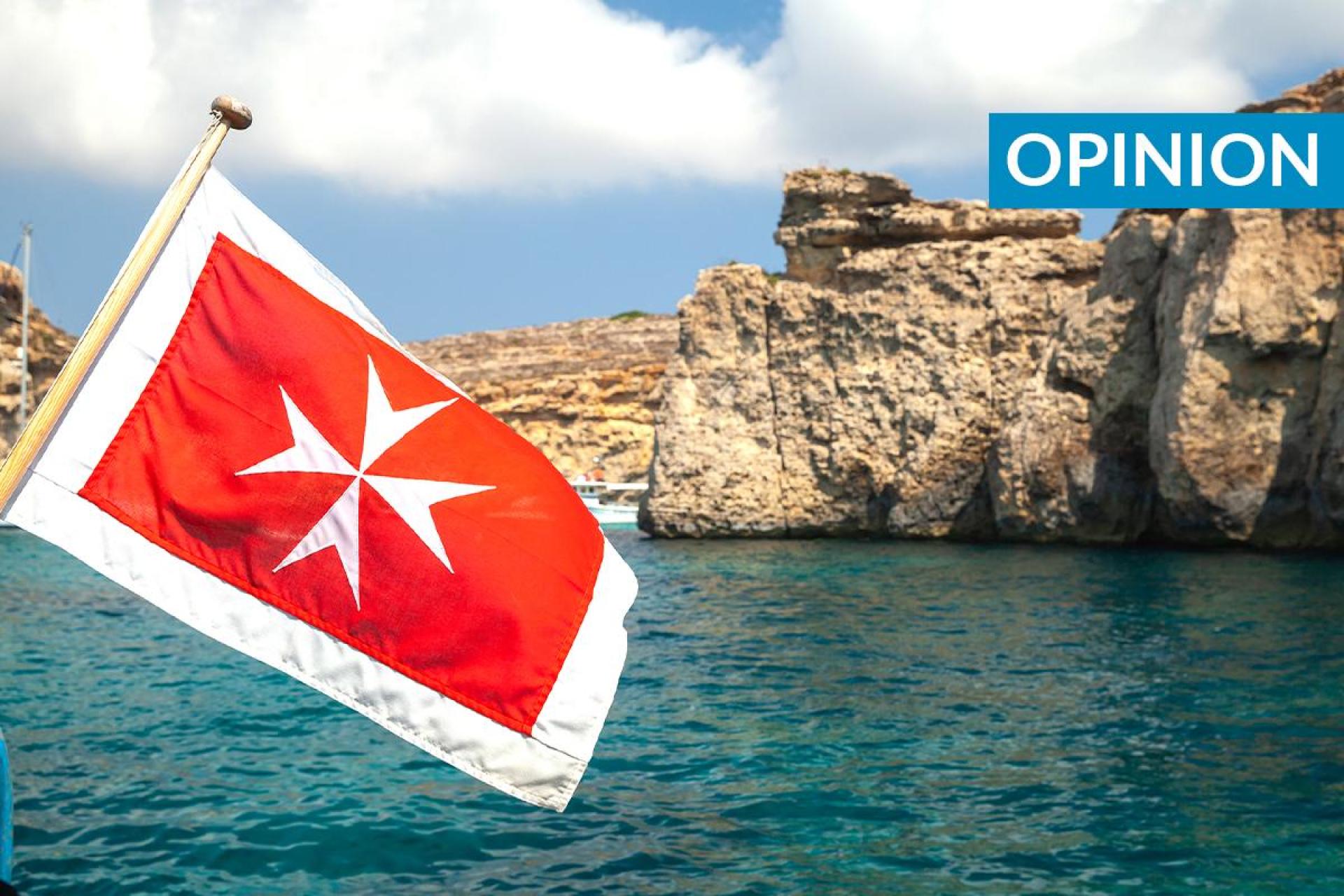
The successful policy adopted over the years to attract shipowners to register their ships under the Malta flag does justice to successive governments that always gave their support to this sector. However, it is now time to venture beyond the niche and lay down measures that attract investors.
The proposal by Rizzo for the various stakeholders to discuss the benefits that industry players within the maritime sector can achieve from accessing the capital markets is one such measure.
It is heartening to note also the speech delivered by Kenneth Farrugia, CEO BOV, at the Annual General Assembly of the forum held on May 20, wherein he stated that BOV is actively considering participating in syndication that offers ship finance.
The success that Malta registered in the financial sector, iGaming and the pharmaceutical industry, among others, leads us to believe that with shared visions between the public and the private sector and the adoption of fiscal and corporate tools, Malta can also succeed in attracting more investors to the maritime industry.
One common denominator in the sectors mentioned above and which is missing from the maritime industry is the presence of a focused and dedicated promotional arm, if not for anything else, to coordinate marketing drives and adopt measures akin to what has been done in the other economic sectors for decades. This debate is crucial if we want to attract more investment from services which hitherto have stayed away from Malta.
The current discussions between the government and the forum on the development of a national maritime transport strategy will also tackle such issues which hopefully will lead to the enactment of structures supported by the appropriate legislative frameworks that will permit Maritime Malta to venture beyond the existing services to develop other opportunities that can create additional wealth to our economy.
Such an objective would fit perfectly into the Malta Vision 2050 which has identified shipping and the maritime sector as one of the leading industries and contributors to Malta’s economic transformation.
Godwin Xerri is the chairperson of the Malta Maritime Forum.
The article appeared on the Times of Malta