The Malta Maritime Forum has called for a radical overhaul of Malta’s maritime governance and infrastructure, warning that the country risks losing competitiveness unless the next administration adopts a far more ambitious maritime strategy.
The forum stressed that EU policies should better reflect Malta’s island-state realities.
The document argues that the maritime industry should no longer be treated as a supporting sector but as a strategic economic pillar central to Malta’s future growth and resilience.
The forum pointed to growing geopolitical instability, digitalisation and decarbonisation pressures reshaping the global shipping landscape.
At the centre of the forum’s proposals is the re-establishment of a National Maritime Authority, a long-standing recommendation which it believes would improve coordination, speed up decision-making and provide clearer direction for the industry.
The MMF also called for the appointment of a minister specifically responsible for maritime affairs, alongside a permanent interministerial structure to ensure coordination across government departments.
The forum said Malta needed a “more maritime-centred approach” to economic and social development if it wanted to fulfil the targets outlined in the government’s Vision 2050 strategy.
A major focus of the manifesto is the creation of a National Maritime Transport Strategy to guide investment, competitiveness and decarbonisation efforts over the coming years.
According to the forum, the strategy must align not only with Malta Vision 2050 but also with emerging EU maritime regulations and the European Commission’s own developing maritime strategy.
The MMF said this alignment was necessary to ensure Malta remained competitive within the wider European maritime framework while continuing to attract investment.
The forum also warned that labour shortages were becoming increasingly problematic for the sector and called for urgent reforms in education and training.
Among its proposals is the establishment of a National Maritime Certification Centre aimed at simplifying career pathways and increasing the number of Maltese-issued Certificates of Competency.
Expanded port facilities
Infrastructure investment is another key priority identified by the forum, which called for expanded port facilities, logistics hubs and new fuel bunkering infrastructure.
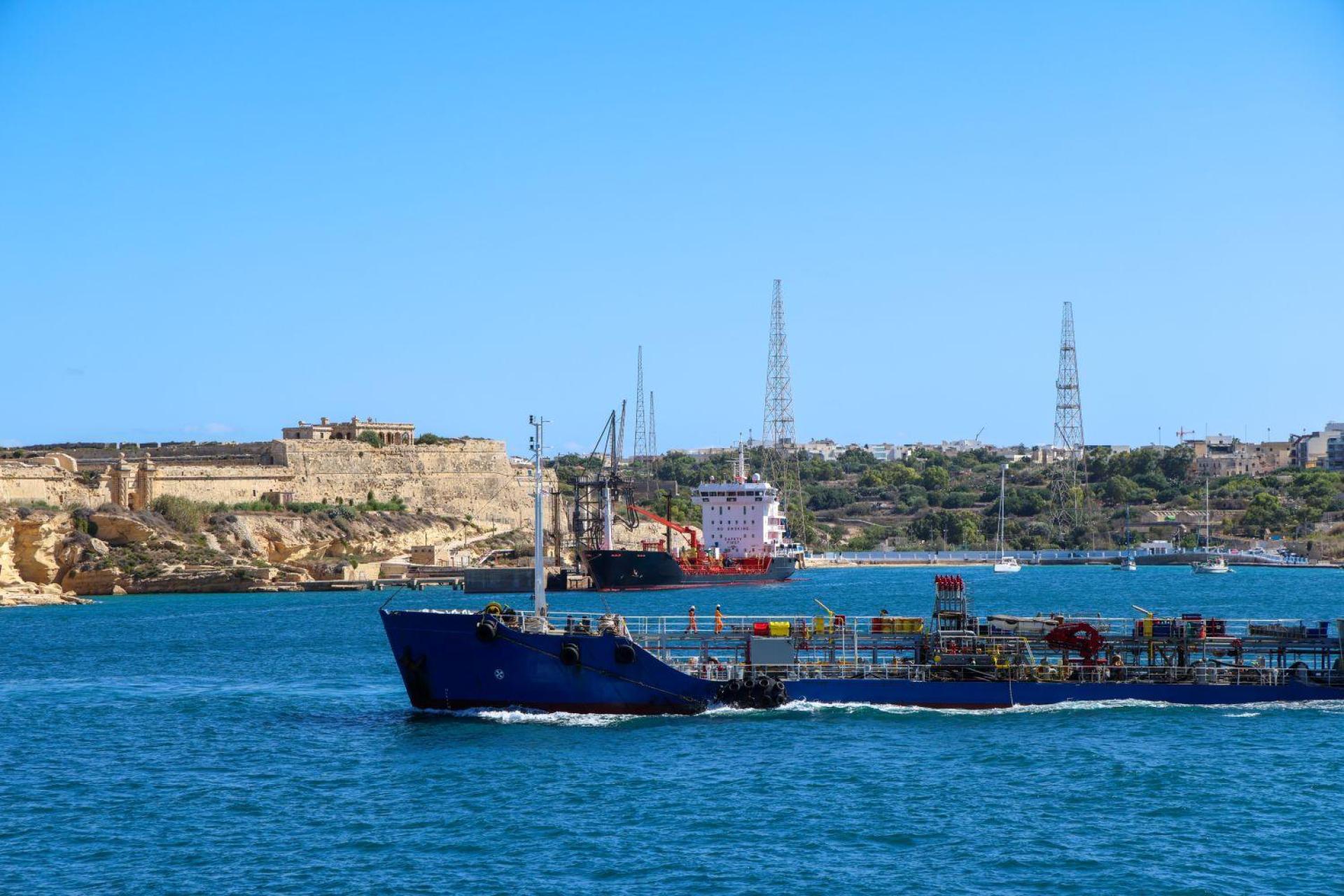
Particular emphasis was placed on the long-delayed Ras Ħanżir project, with the MMF urging the next administration to ensure the planned 365-metre quay becomes operational before works linked to the Grand Harbour Revival Plan begin.
The forum also reiterated calls for a full Nautical Risk Assessment to ensure that commercial port activity within the Grand Harbour is protected and strengthened during future redevelopment projects.
The manifesto further stresses the need for stronger regulation and enforcement to safeguard Malta’s international reputation within the maritime industry.
Concluding its proposals, the forum warned that Malta was facing a “crucial juncture” as global shipping undergoes rapid transformation.
Source: Times of Malta; Picture: Shutterstock